
Kickboxing Master Trainer, Combat Strength and Conditioning Specialist, ACE CPT
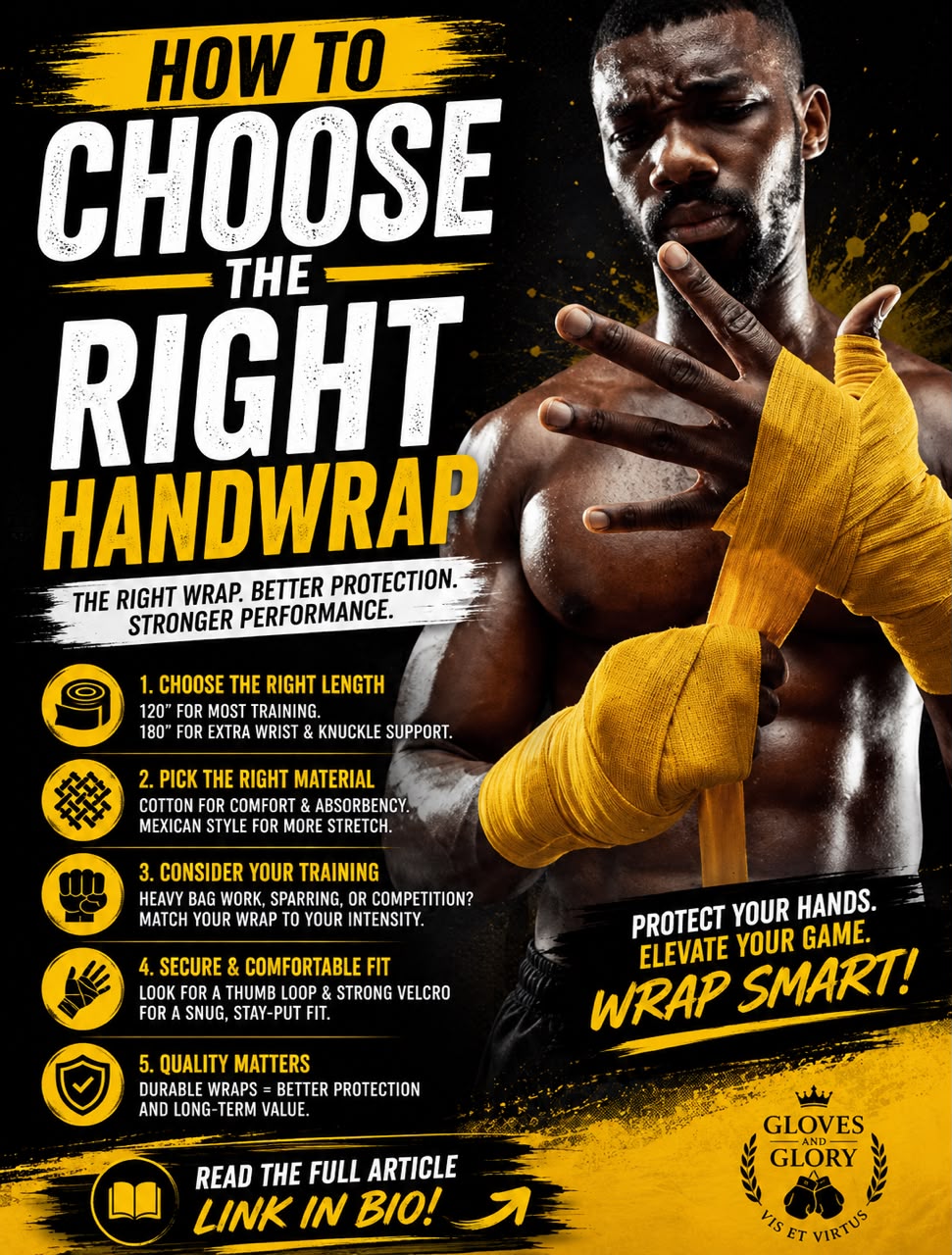
Whether you’re training in Boxing, Kickboxing, or Muay Thai, hand wraps are one of the most important pieces of equipment you’ll use. While gloves provide external protection, hand wraps help protect the small bones, joints, tendons, and ligaments inside your hands and wrists. Many beginners underestimate the importance of hand wrapping until they experience sore knuckles, wrist discomfort, or even injuries. Learning how to choose the right hand wraps and wrap your hands correctly will improve comfort, performance, and safety during training.
Every time you punch a heavy bag, focus mitt, or opponent, impact forces travel through your hands and wrists. Hand wraps help by:
• Supporting the wrist joint
• Stabilizing the knuckles
• Protecting the thumb
• Reducing hand movement inside the glove
• Absorbing sweat and extending glove life
• Lowering the risk of injuries
Think of hand wraps as the foundation of your punching system. Without proper support, even the best boxing gloves cannot fully protect your hands.
Hand wraps come in different lengths. The right choice depends on your hand size, training style, and desired level of support.
2.5 Metres (80–100 inches)
Best for:
Pros:
Cons:
4 – 4.5 Metres
Best for:
Pros:
This is the most commonly recommended hand wrap length for adult
Cotton Hand Wraps
Pros:
Cons:
Elastic Hand Wraps
Pros:
Cons:
Many experienced coaches recommend elastic hand wraps because they provide excellent comfort without sacrificing support.
Many beginners make the same mistakes when learning to wrap their hands.
Avoid:
A simple test is to make a fist.
SHOULD | SHOULD NOT |
Feel snug | Cause numbness |
Support the wrist | Create pain |
Keep knuckles protected | Restrict wrist movement |
Allow normal circulation | Wrapping too tight on the palm area |
If your fingers become cold or tingly the wraps are too tight.
Hand wraps are a small investment that can make a huge difference in your training experience. Whether you’re hitting pads, sparring, or working the heavy bag, properly wrapped hands help protect you from unnecessary injuries and allow you to train with confidence.
For most adults training in Boxing, Kickboxing, or Muay Thai, a 4.5-metre elastic hand wrap provides the ideal combination of comfort, protection and support.
At Gloves & Glory, we teach all beginners how to wrap their hands correctly from day one. Mastering proper hand wrapping is one of the first steps toward safer, more effective training and long-term success in combat sports.

Explore more insights, training tips, techniques, and stories from the world of combat sports.